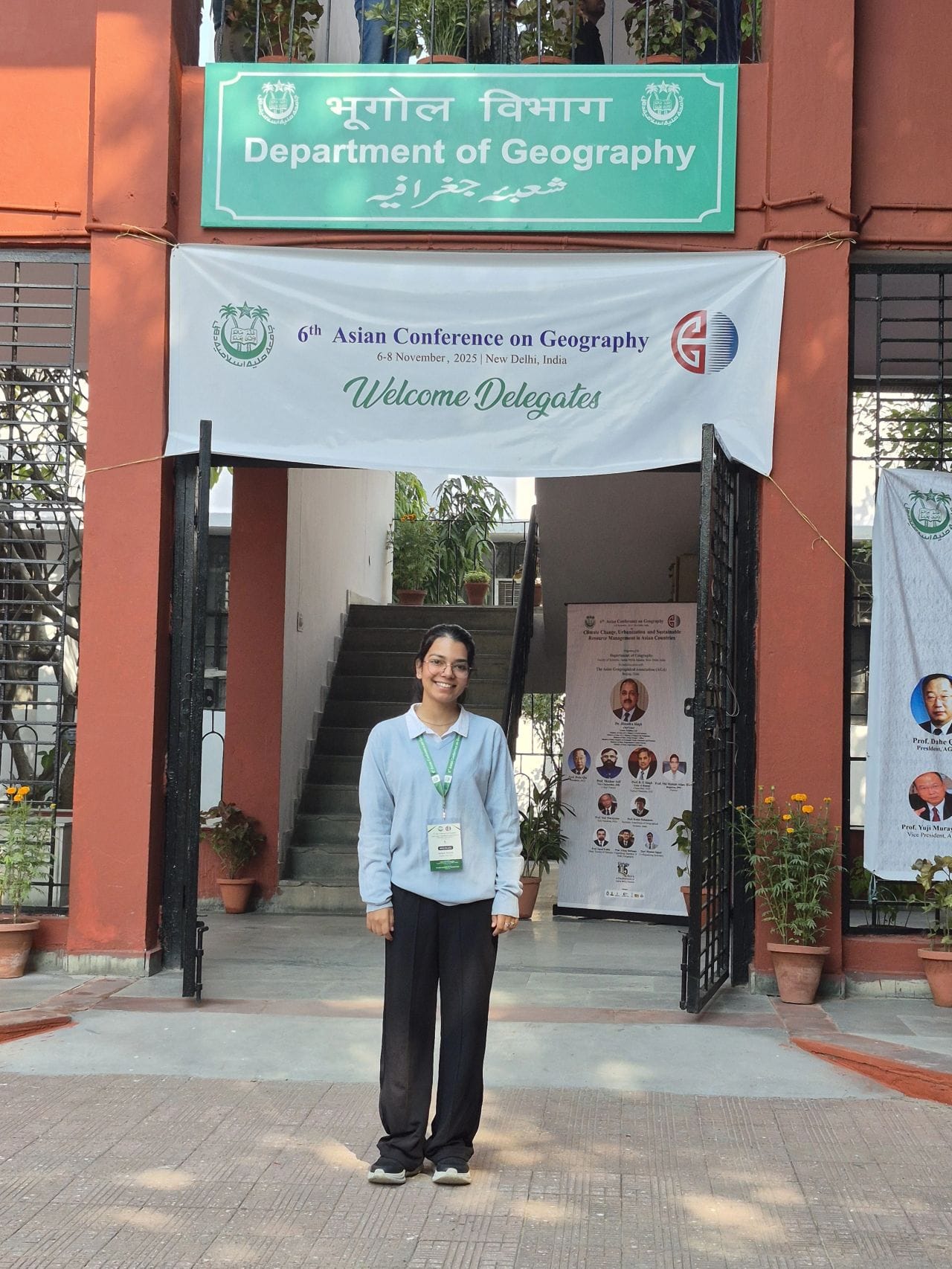
Field surveys, satellite analysis and cartography applied to agriculture, water and the environment across India.
A remote sensing case study mapping vegetation and surface water across Punjab, India using NDVI and NDWI from Landsat imagery to read groundwater stress over an agricultural state.
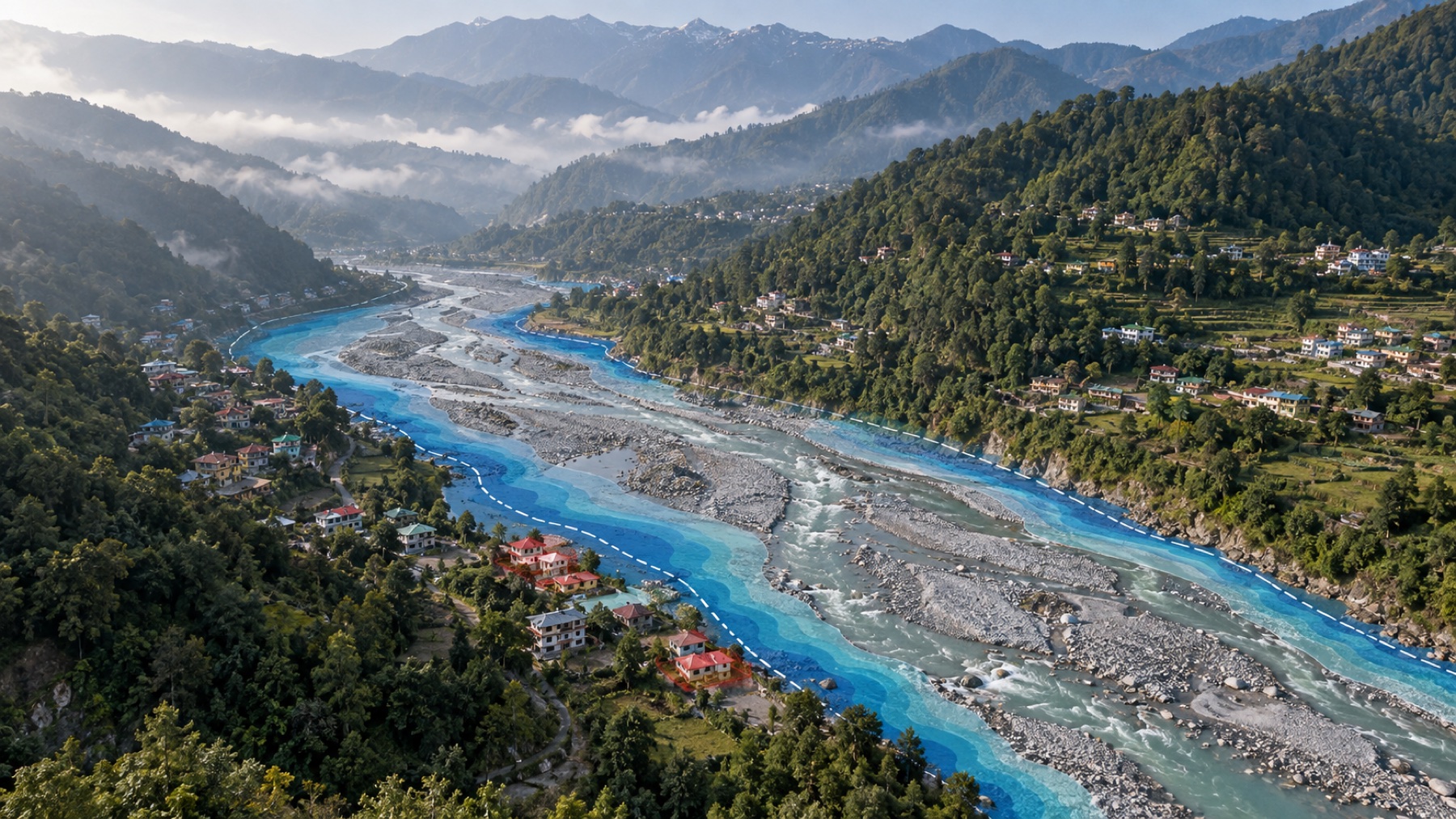
Conventional proximity analysis commonly assumes that the places nearer to a river are more exposed. In steep Himalayan terrain, straight line distance alone can be misleading: a building closer to aa channel may sit above it, while another building farther away from a channel may lie on a low, hydrologically connected surface. The project tests whether terrain-aware indicators improve the identification of potentially exposed buildings in the Maldevta flash floods.
A Sentinel-2 remote sensing study of how industrial zones in Delhi NCT affect surrounding vegetation, water, and built-up land using NDVI, NDWI, NDBI, buffer zones, and zonal statistics.
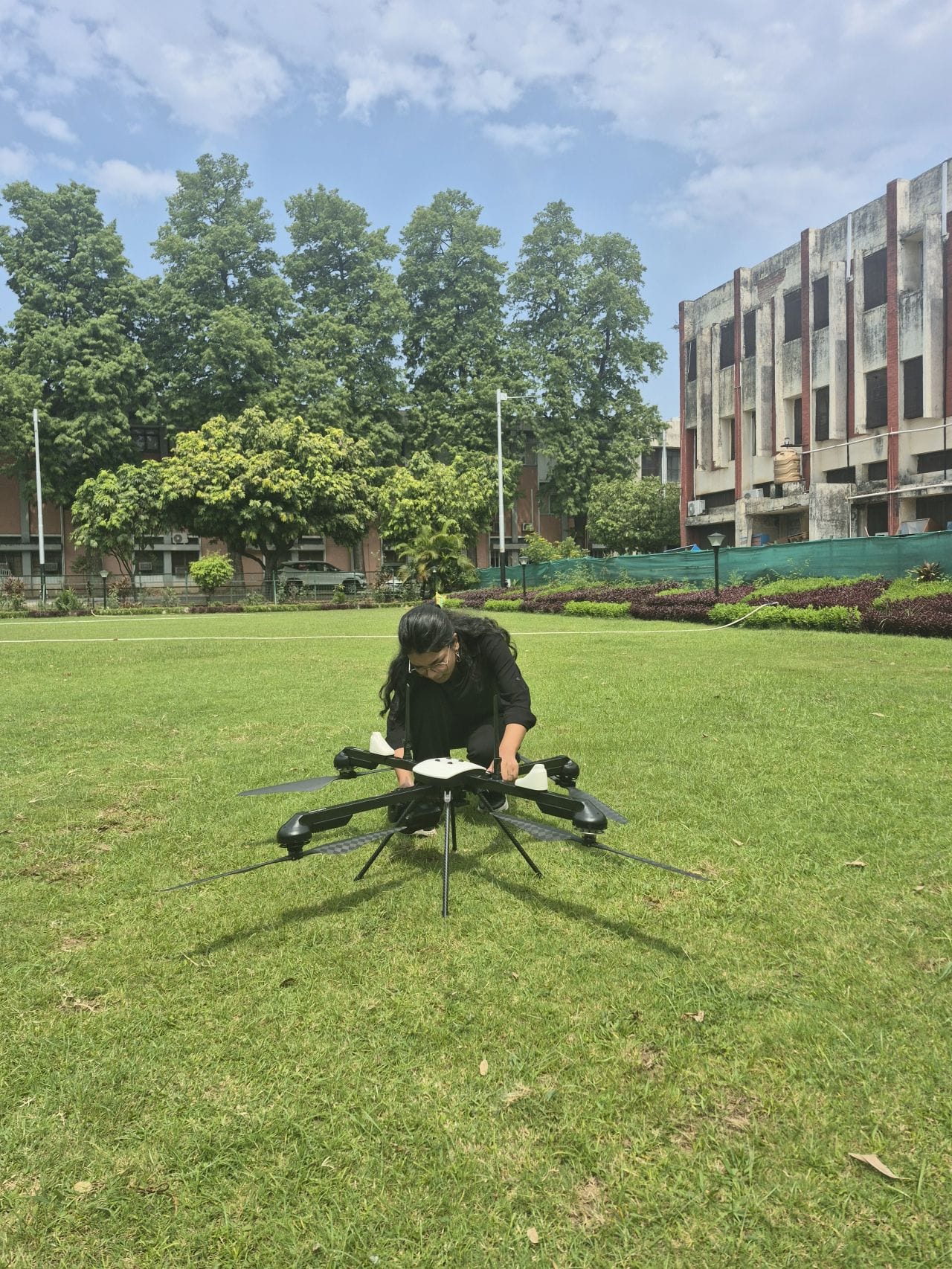
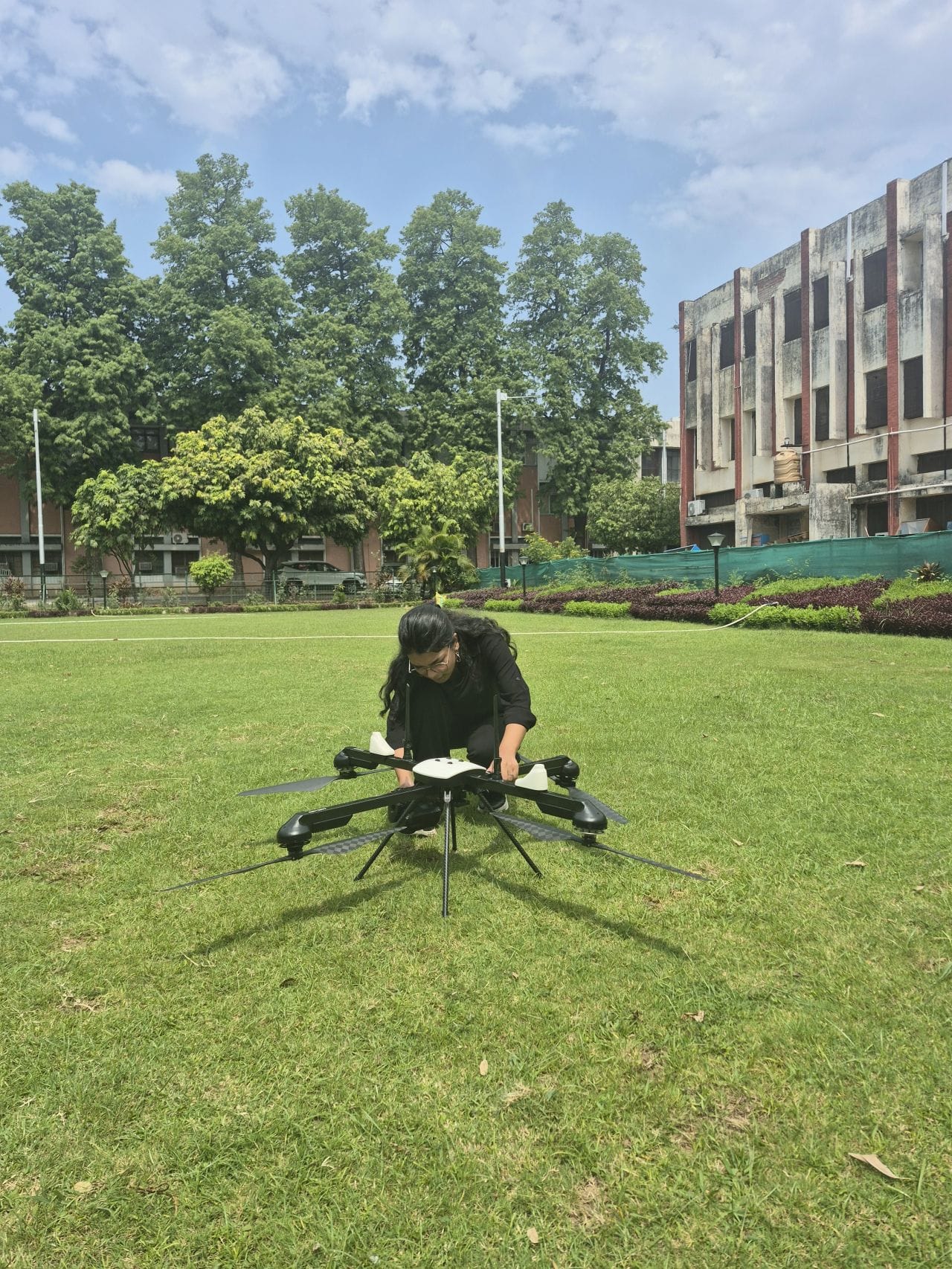
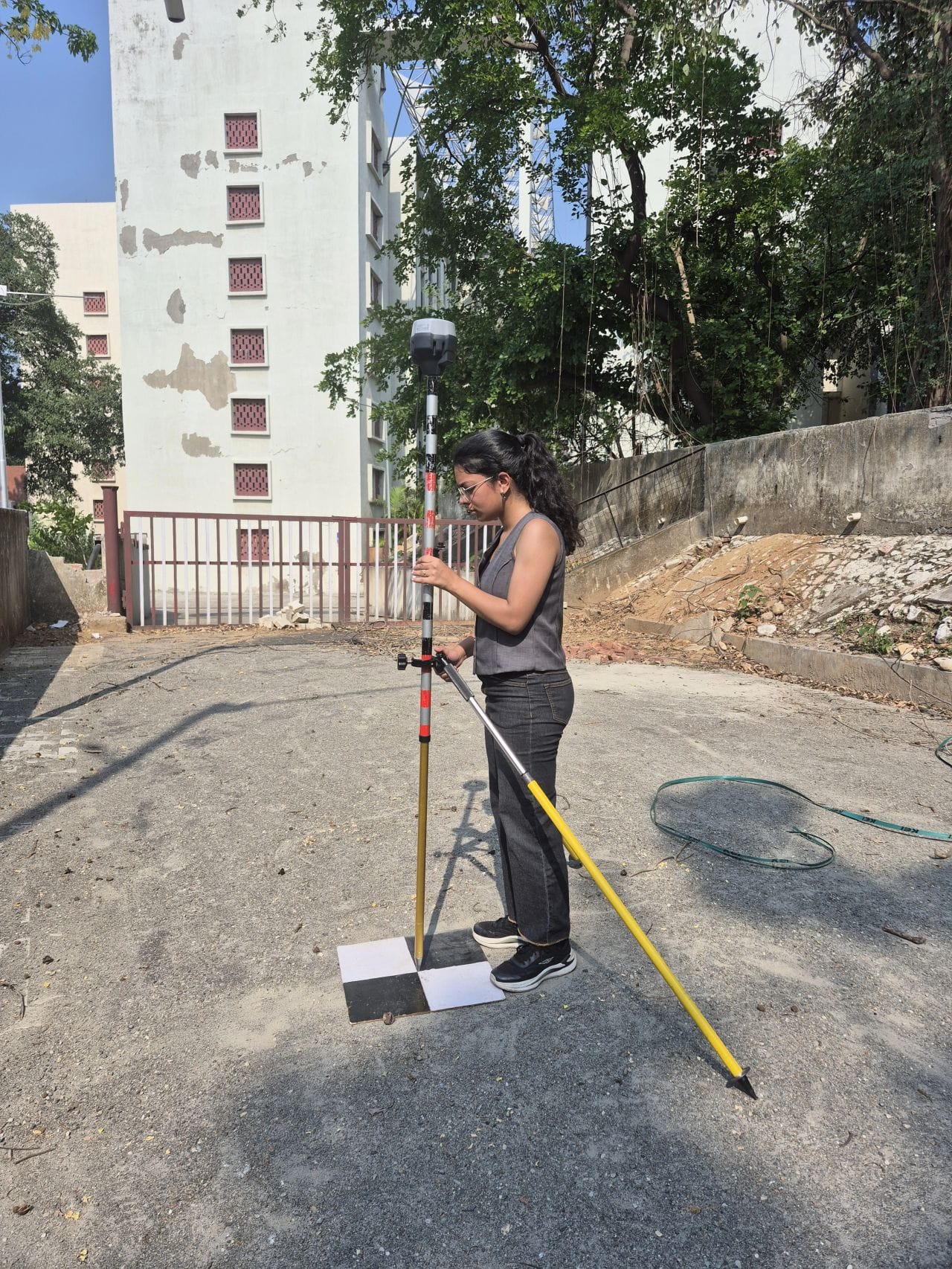
As a Research Intern at IIT Roorkee, I ran UAV survey prep, GNSS ground control with Emlid Reach RS3 and Trimble DA, and photogrammetry workflows for accurate, georeferenced mapping outputs.
A research-trainee project at Miranda House, University of Delhi, linking temperature, groundwater depletion and Punjab agriculture using spatial analytical tools and open satellite data.
An eight-week research-writing internship at Bhu Chintan where I produced literature reviews, formatted articles, and prepared publication-ready geography writing.
Mapping vegetation condition and water stress across farmland in India using Sentinel-2 and Landsat NDVI and NDWI for agricultural and environmental monitoring.