SEO-friendly, plain-English guides to the satellite imagery, indices and survey workflows I use — written to help students and early-career geospatial analysts.
Fixed NDVI thresholds borrowed from global studies routinely misclassify Indian land cover because soil background, monsoon phenology, and sensor differences each shift values by 0.1–0.2 or more. This article explains what NDVI actually encodes and how to build a more defensible classification workflow for India's ecologically diverse landscapes.
RISAT-2B is ISRO's X-band SAR satellite that complements Sentinel-1 for Indian applications — this article breaks down its imaging modes, frequency trade-offs, and where it genuinely outperforms C-band sensors for flood mapping, crop monitoring, and coastal work.
A technical walkthrough of how Sentinel-1 C-band SAR backscatter is used to estimate soil moisture across Indian agricultural land, covering the physics, key retrieval algorithms, and practical pitfalls.
A step-by-step QGIS walkthrough of flow accumulation and stream ordering from a DEM — covering sink filling, flow direction, and common mistakes that silently break watershed delineation in Indian study areas.
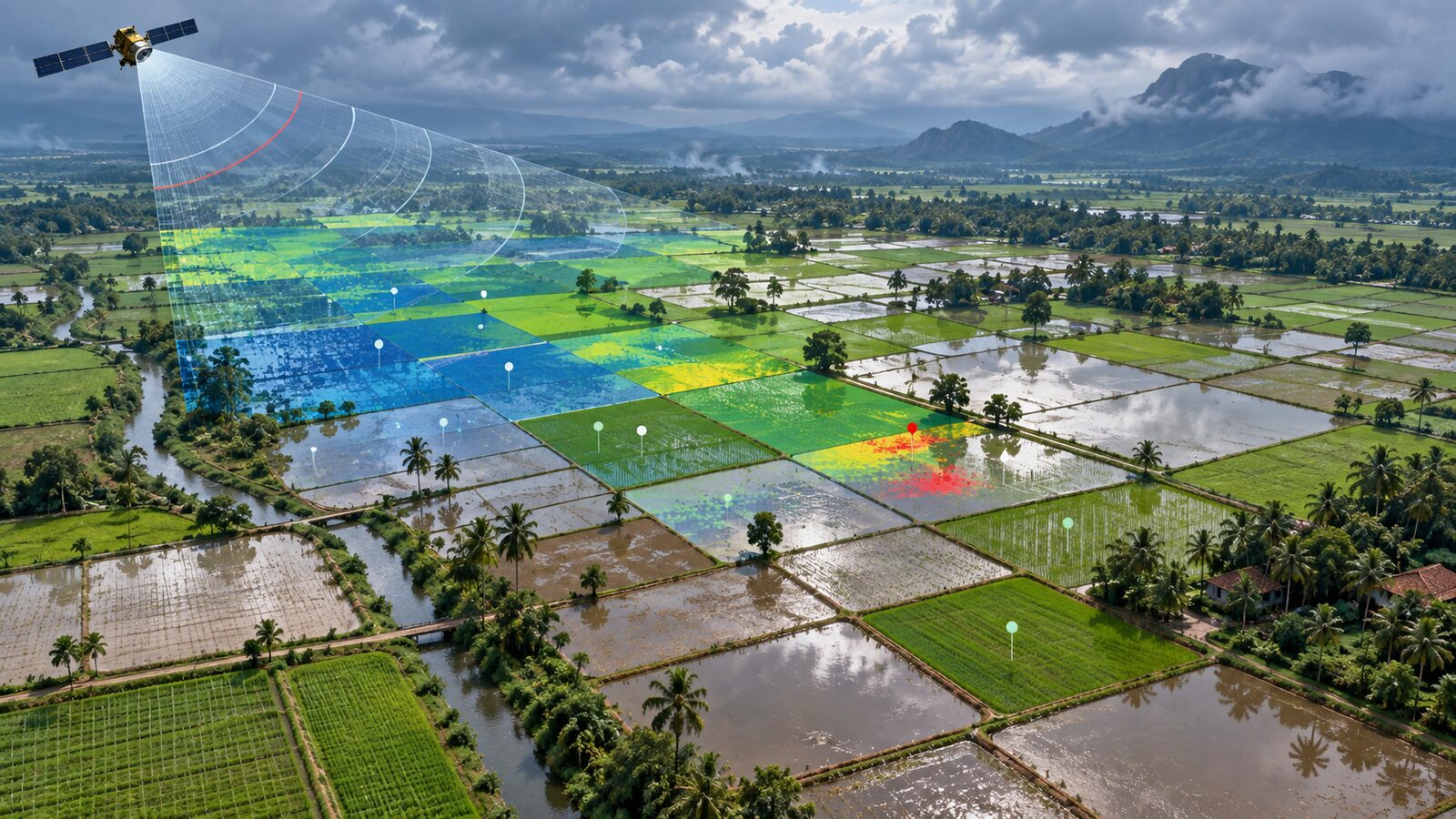
Cloud cover during India's kharif season makes optical-only yield models unreliable. This article shows how to fuse Sentinel-1 SAR and Sentinel-2 data in Google Earth Engine to build a cloud-robust crop yield estimation workflow.
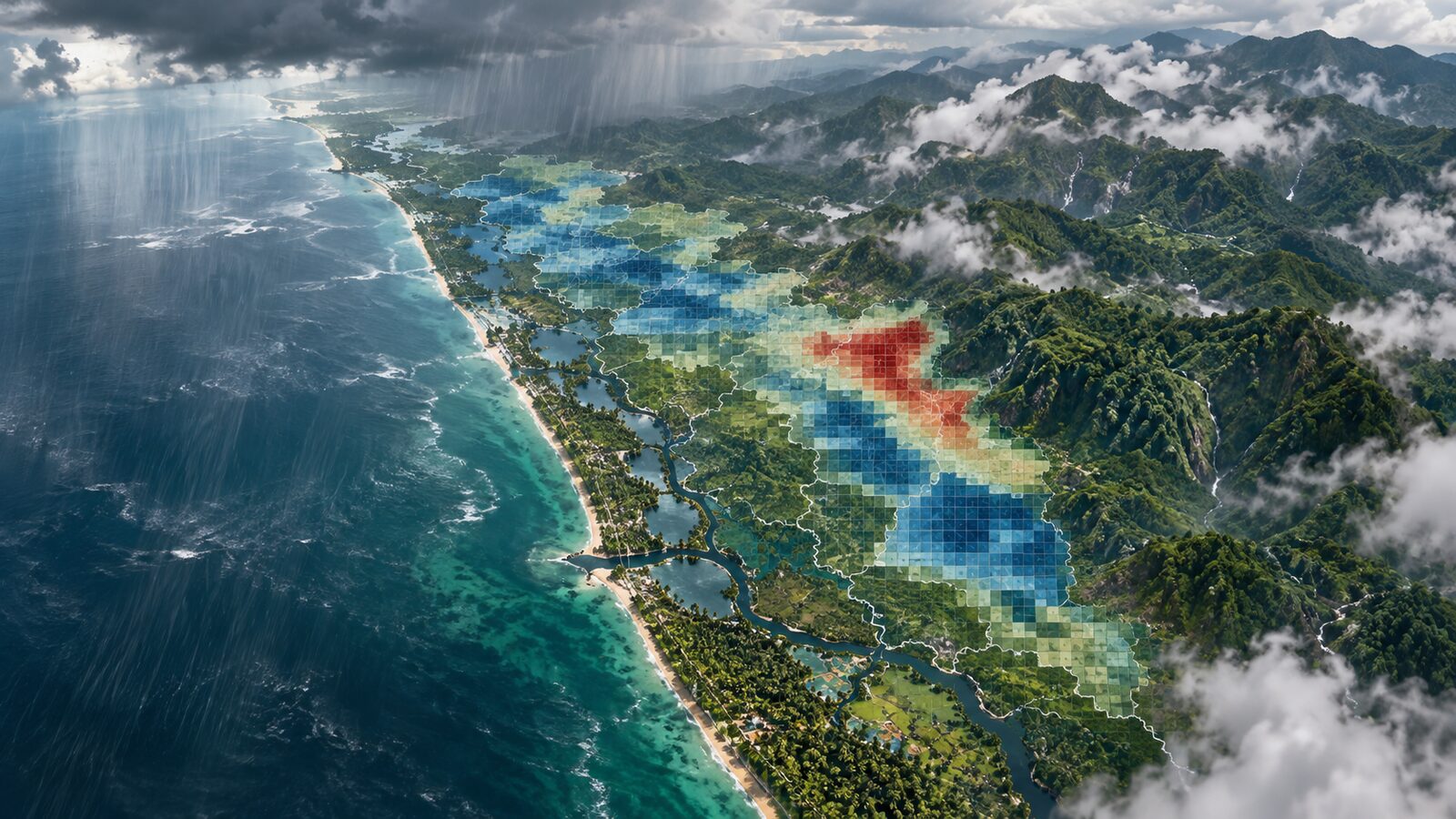
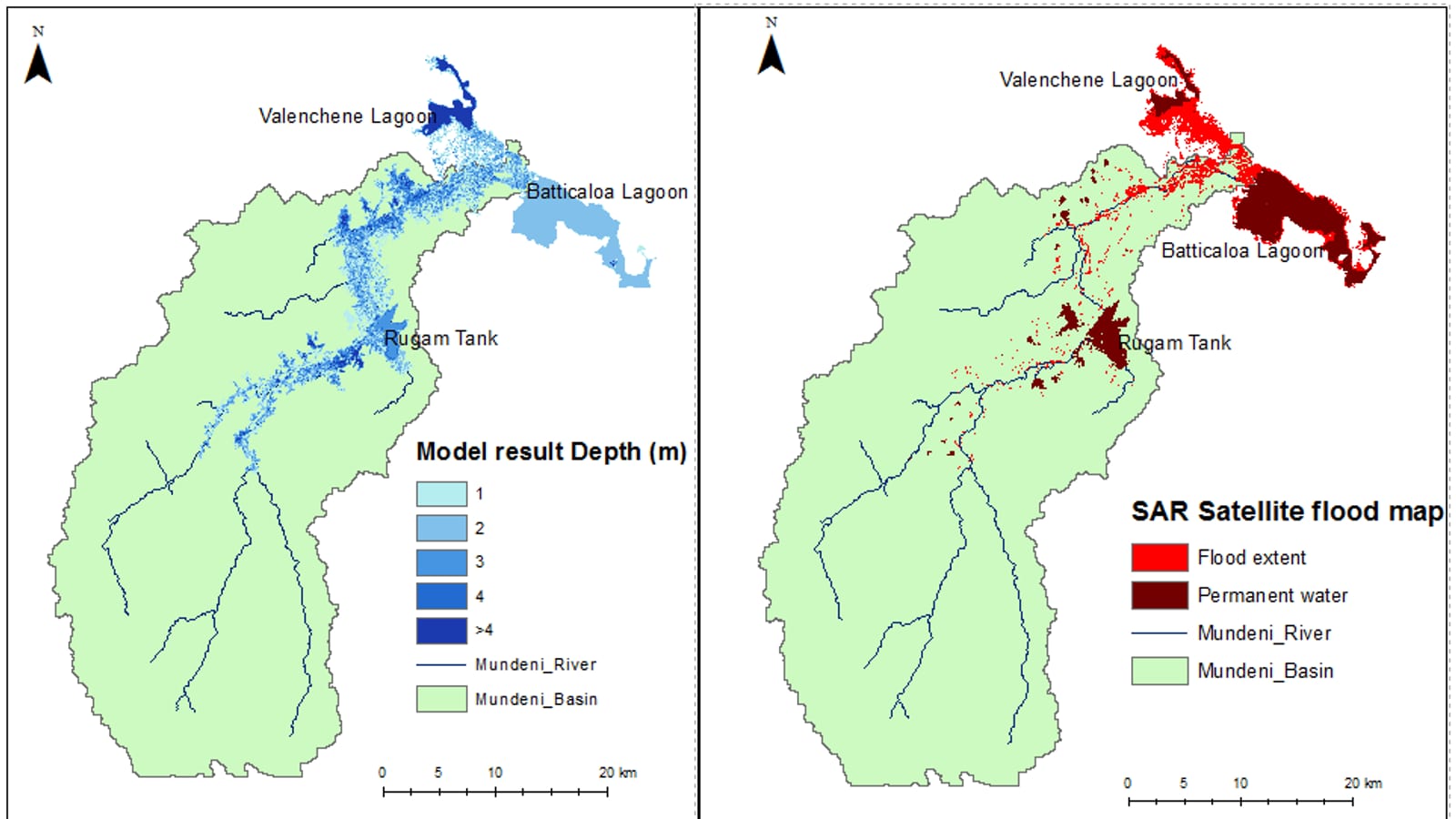
Flood extent mapping from Sentinel-1 SAR is now routine, but translating backscatter into actual water depths is far harder. This article breaks down the main methods — hydraulic model fusion, DEM differencing, and their real limits — for Indian flood contexts.
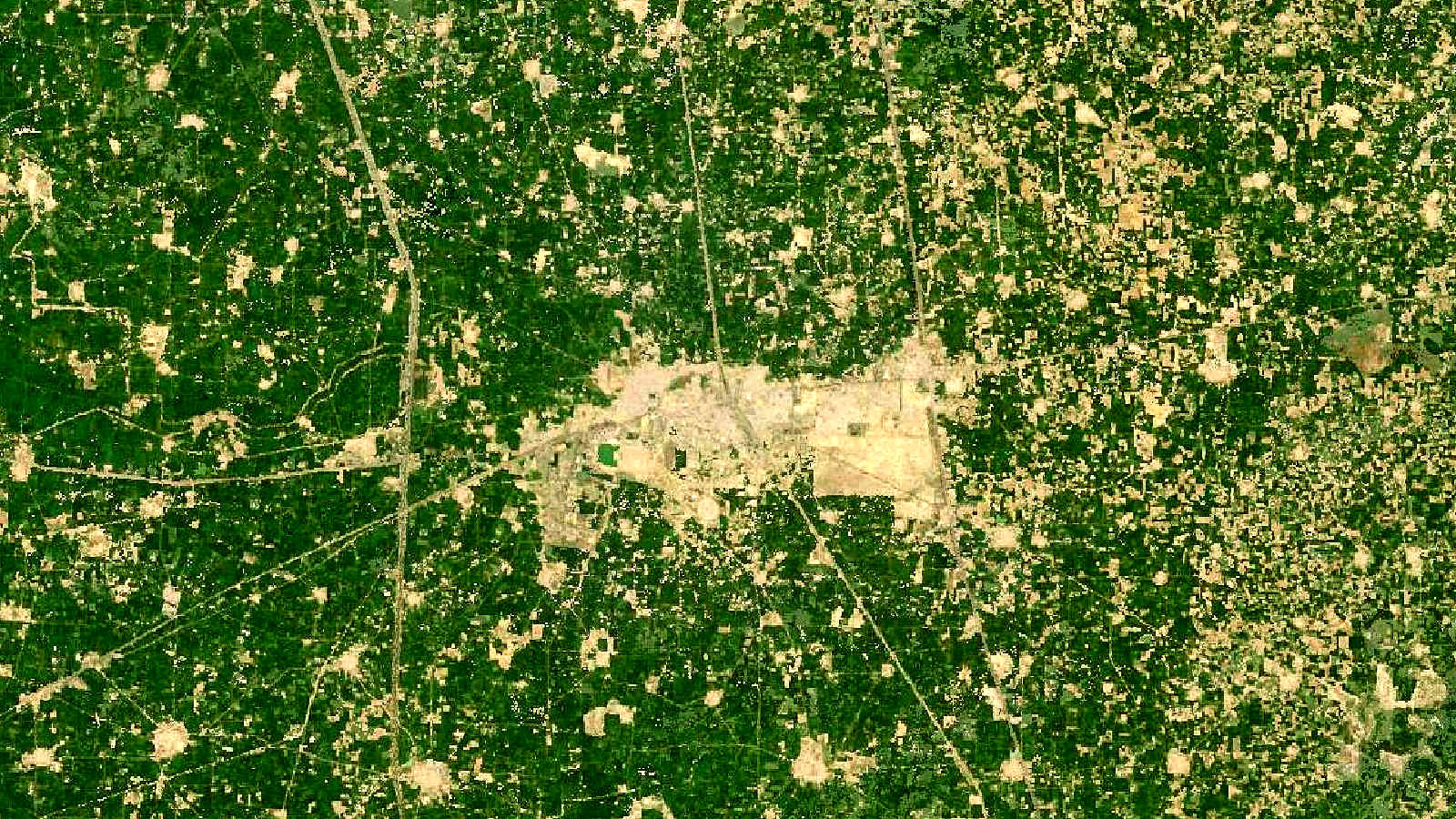
GRACE-FO introduced laser ranging and improved accelerometers over its predecessor, but instrument upgrades and a one-year data gap create real methodological challenges for anyone building long-term groundwater depletion records over India.
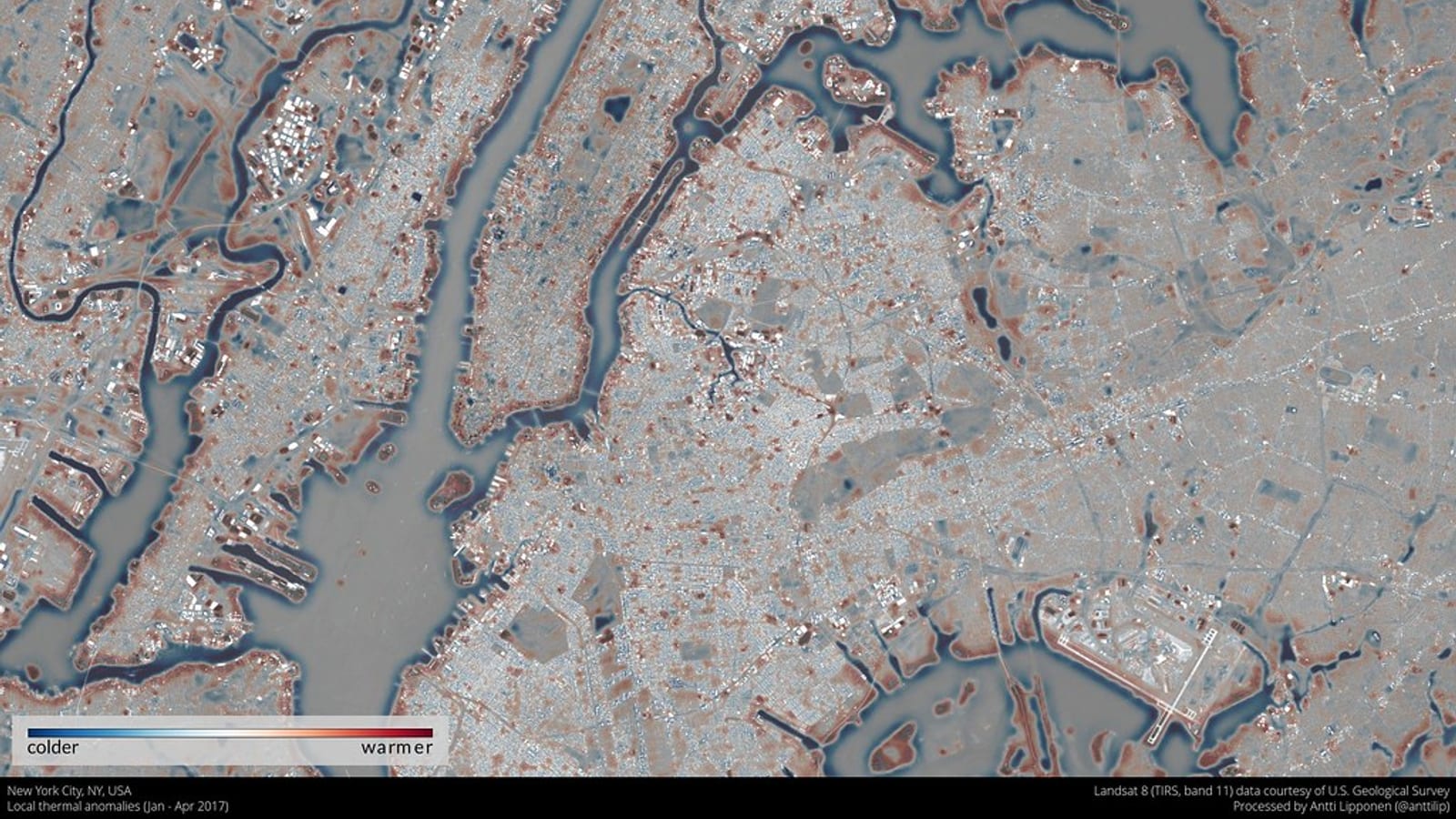
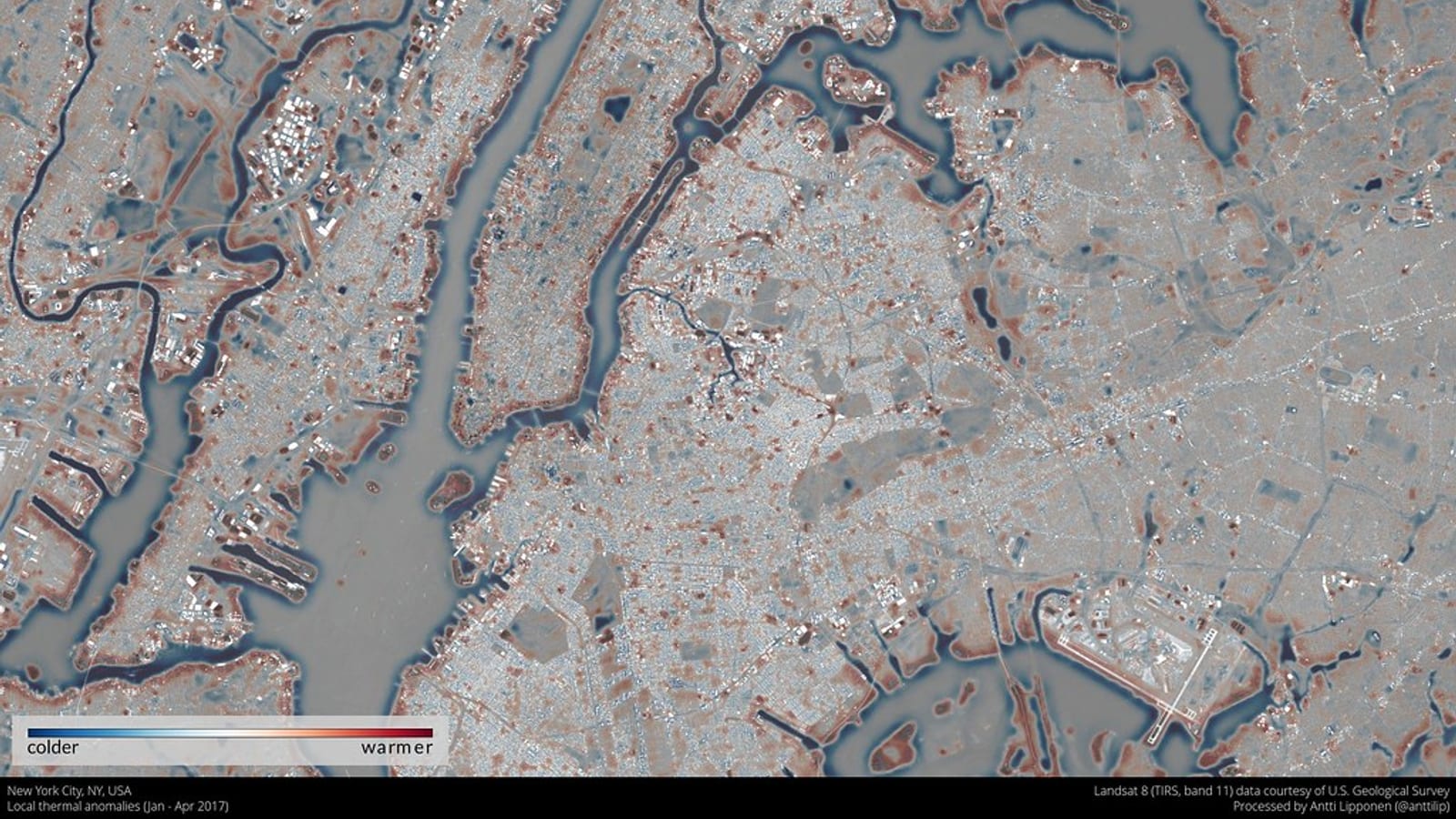
SUHI measures radiative skin temperature from satellites; conventional UHI measures screen-level air temperature. Conflating the two leads to flawed mitigation policy in Indian cities where ground-truth met data is scarce.
RTK and PPK both deliver centimetre-level GNSS accuracy for drone surveys, but the right choice depends on your data link reliability, terrain, and post-processing workflow — a decision that matters especially across India's varied field conditions.
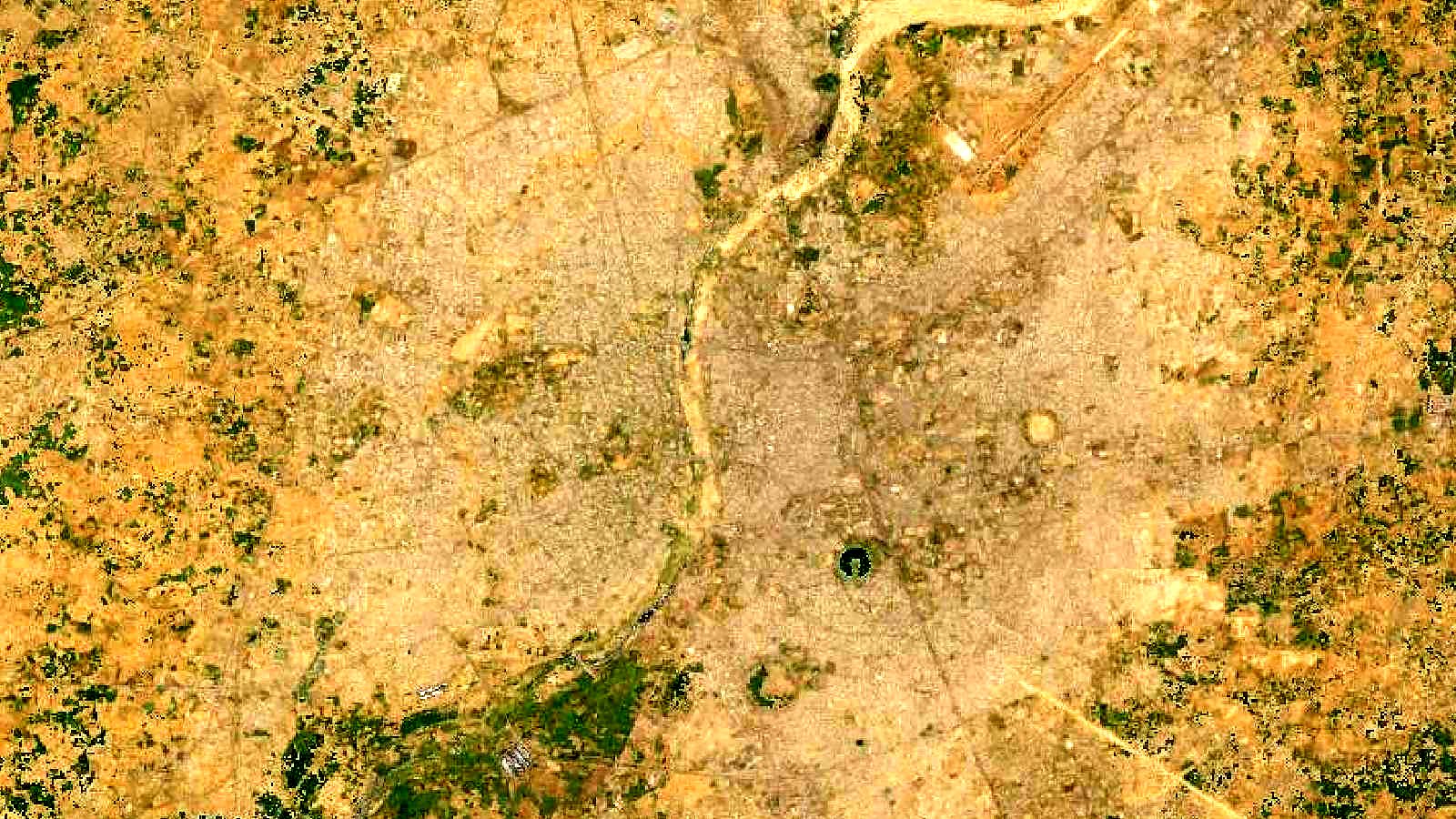
Ground sampling distance (GSD) sets the resolution ceiling for every drone survey output. This article explains the GSD formula, application-specific thresholds for Indian projects, and the most common field mistakes that make datasets unusable.
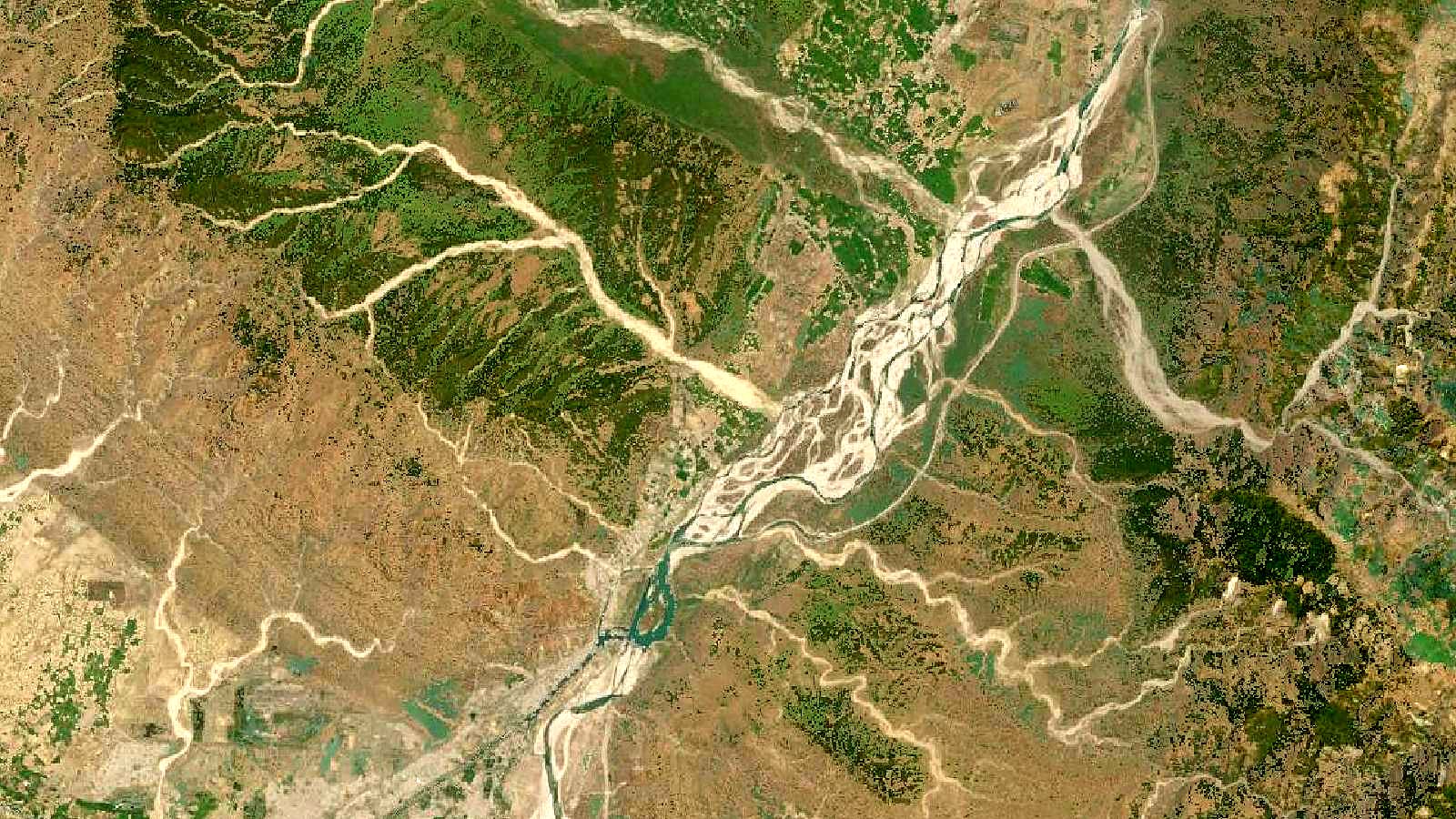
A practical guide to network analysis in QGIS covering shortest path routing and service area tools, with India-specific data preparation steps, a Nagpur worked example, and guidance on the QNEAT3 plugin for isochrone generation.
GEE exports silently fail at scale because of pixel count limits, file size constraints, and Drive storage quirks. This post explains spatial tiling, key export parameters, and when to switch from Drive to Cloud Storage for large-area workflows.
A step-by-step technical walkthrough of Landsat LST retrieval from Band 10, covering DN-to-radiance conversion, brightness temperature, NDVI-based emissivity estimation, and where calibration errors cost you several degrees Celsius.
Choosing the wrong atmospheric correction method can silently bias every NDVI, land cover, or water quality result you derive from Sentinel-2. This article compares DOS, Sen2Cor, and ACOLITE against the aerosol and humidity conditions typical of India and South Asia.
A direct comparison of Random Forest and SVM for LULC classification in Google Earth Engine, using Indian landscape challenges — class imbalance, monsoon cloud cover, and spectral confusion — to show where each algorithm actually wins.
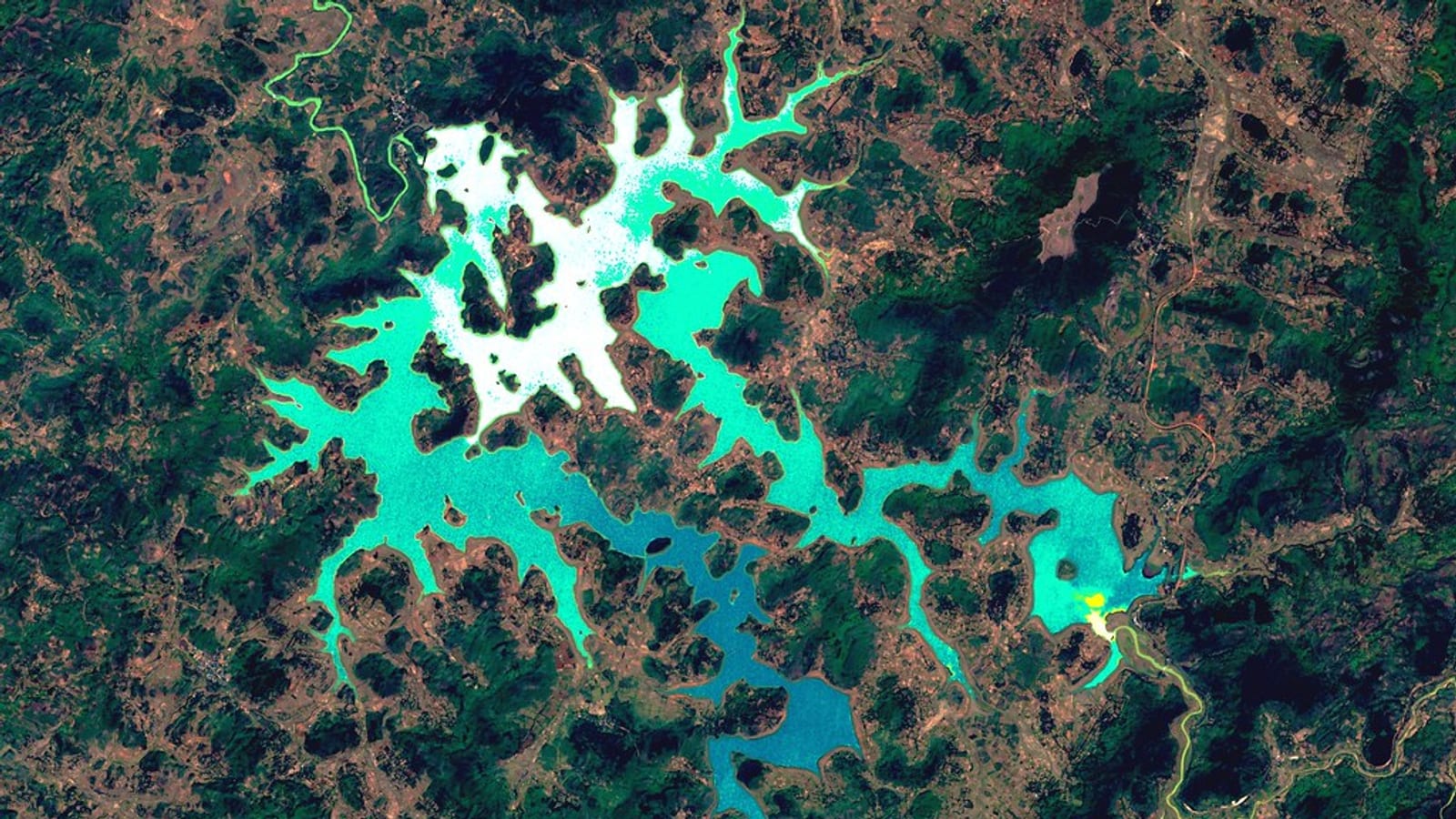
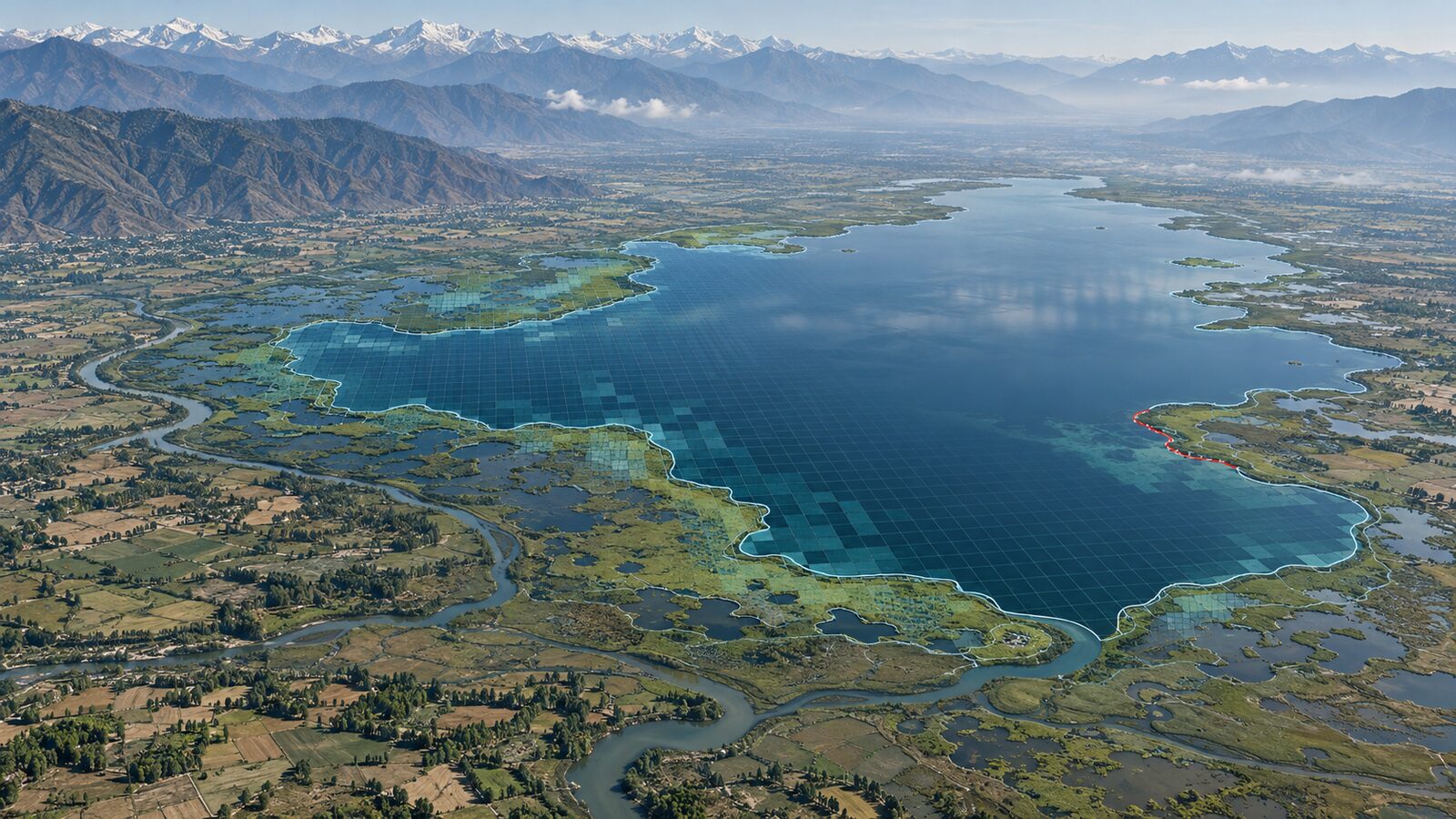
A step-by-step guide to mapping seasonal reservoir storage changes across India using NDWI and Landsat imagery in Google Earth Engine, with honest notes on turbidity, cloud shadow, and threshold validation.
A technical walkthrough of building NDVI time-series workflows in Google Earth Engine to detect kharif, rabi, and zaid crop cycles across Indian agricultural landscapes, covering collection setup, cloud masking, and phenology curve extraction.
A practitioner-oriented reference explaining Resourcesat-2A LISS-IV's spectral bands, 5.8 m resolution, and how it compares to Sentinel-2 and Landsat for India-specific mapping workflows.
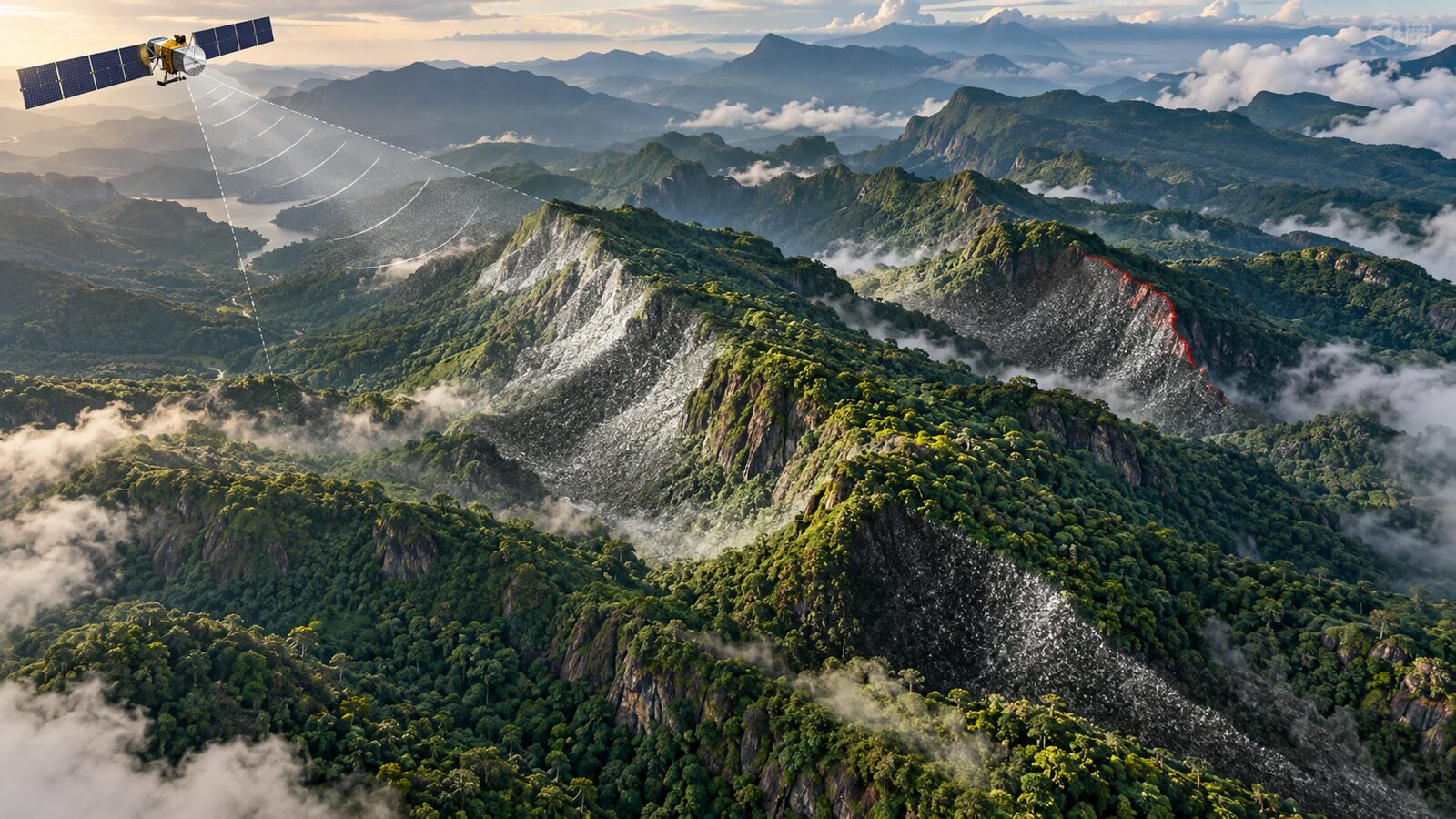
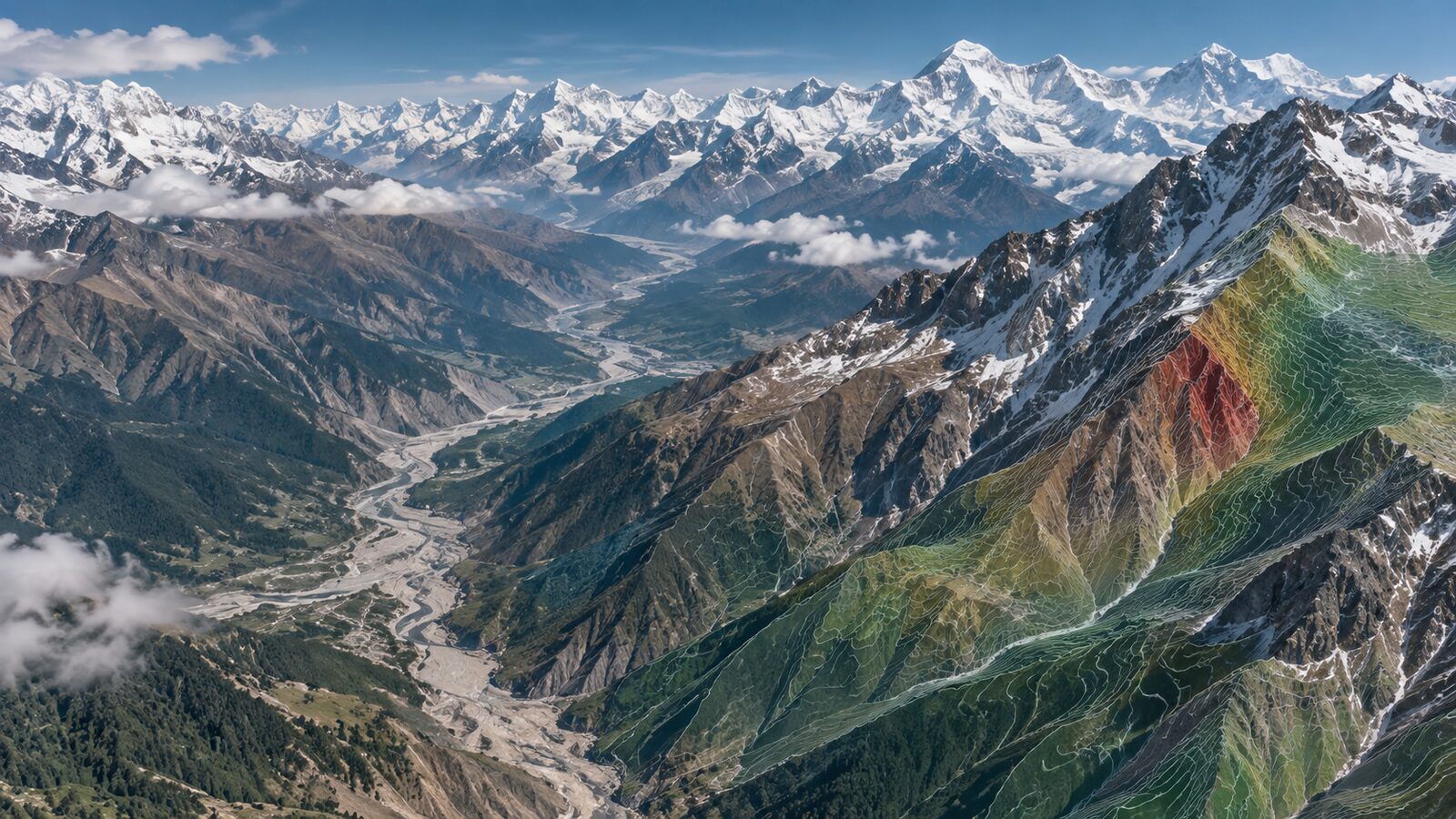
SAR coherence change detection lets disaster managers map monsoon landslides in the Himalayas and Western Ghats even under total cloud cover. This article walks through the full Sentinel-1 SLC processing workflow in SNAP and explains where the method succeeds and fails in Indian terrain.
A technical comparison of SRTM, ALOS AW3D30, and Copernicus DEM vertical accuracy across India's diverse terrain — with a decision framework for watershed delineation, flood mapping, and landslide modelling.
NDVI lags crop water stress by days that cost yield. This article shows how to map early stress across the Indo-Gangetic Plain using Sentinel-2 NDWI and NDRE in Google Earth Engine, with step-by-step GEE code.
SAR or optical imagery for flood mapping in India? This article breaks down the decision logic — cloud cover, terrain, timing, and use case — with evidence from Sentinel-1 and Sentinel-2 studies across Indian flood-prone regions.
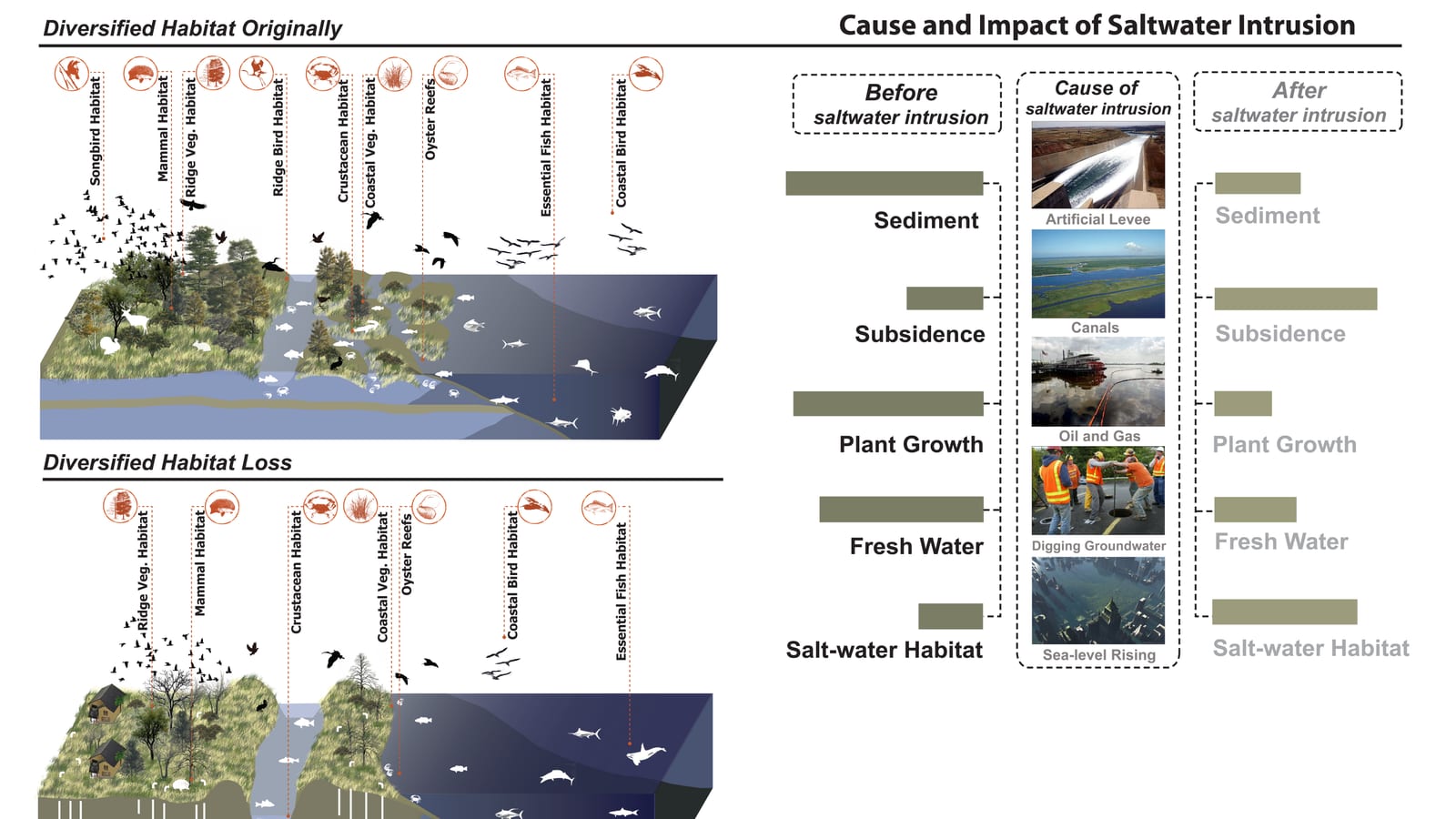
A practical walkthrough of how satellite sensors, InSAR, and EMI surveys detect saltwater intrusion in India's coastal aquifers across Gujarat, Tamil Nadu, Kerala, and Odisha — and where each method's limits lie.
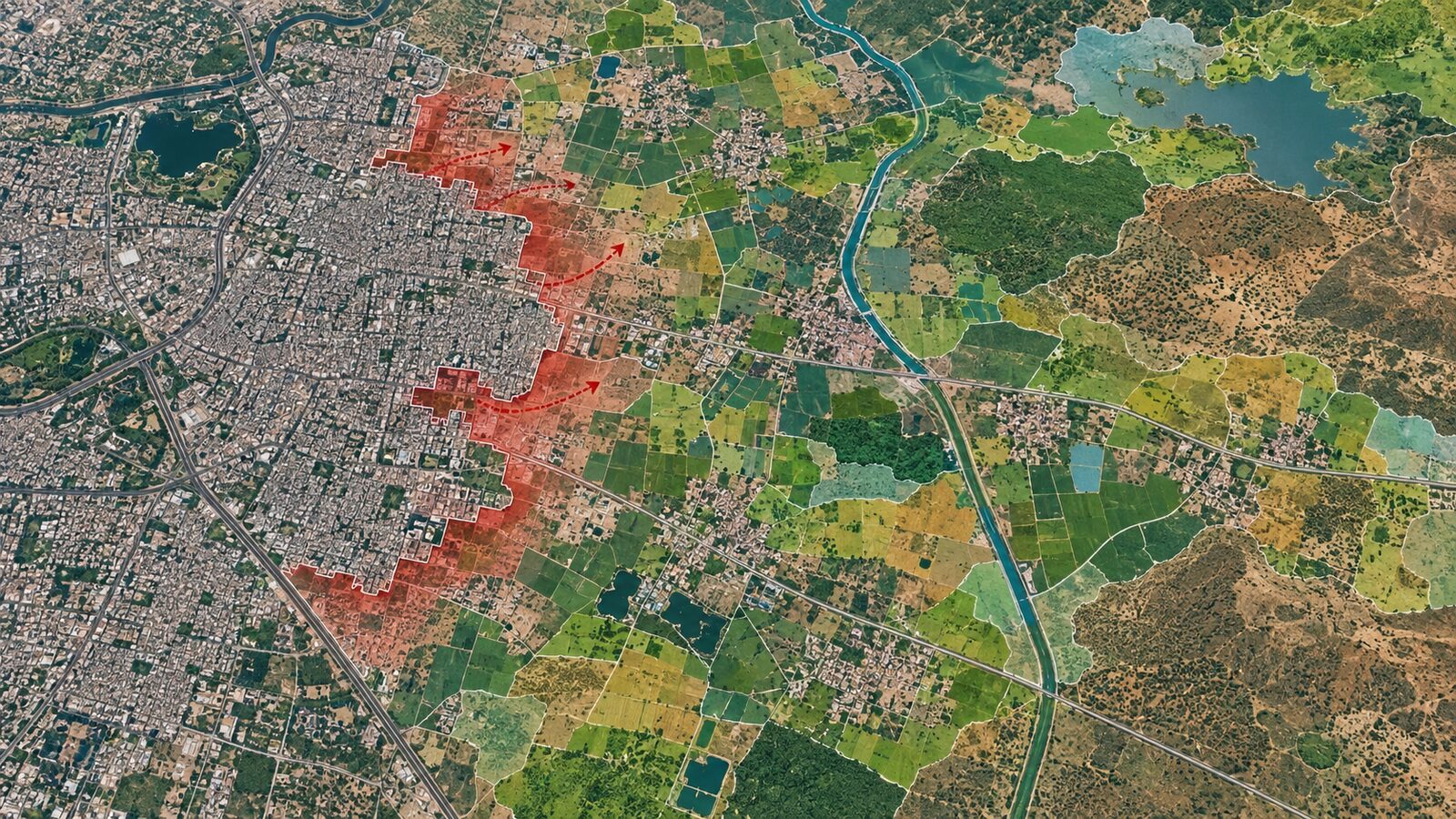
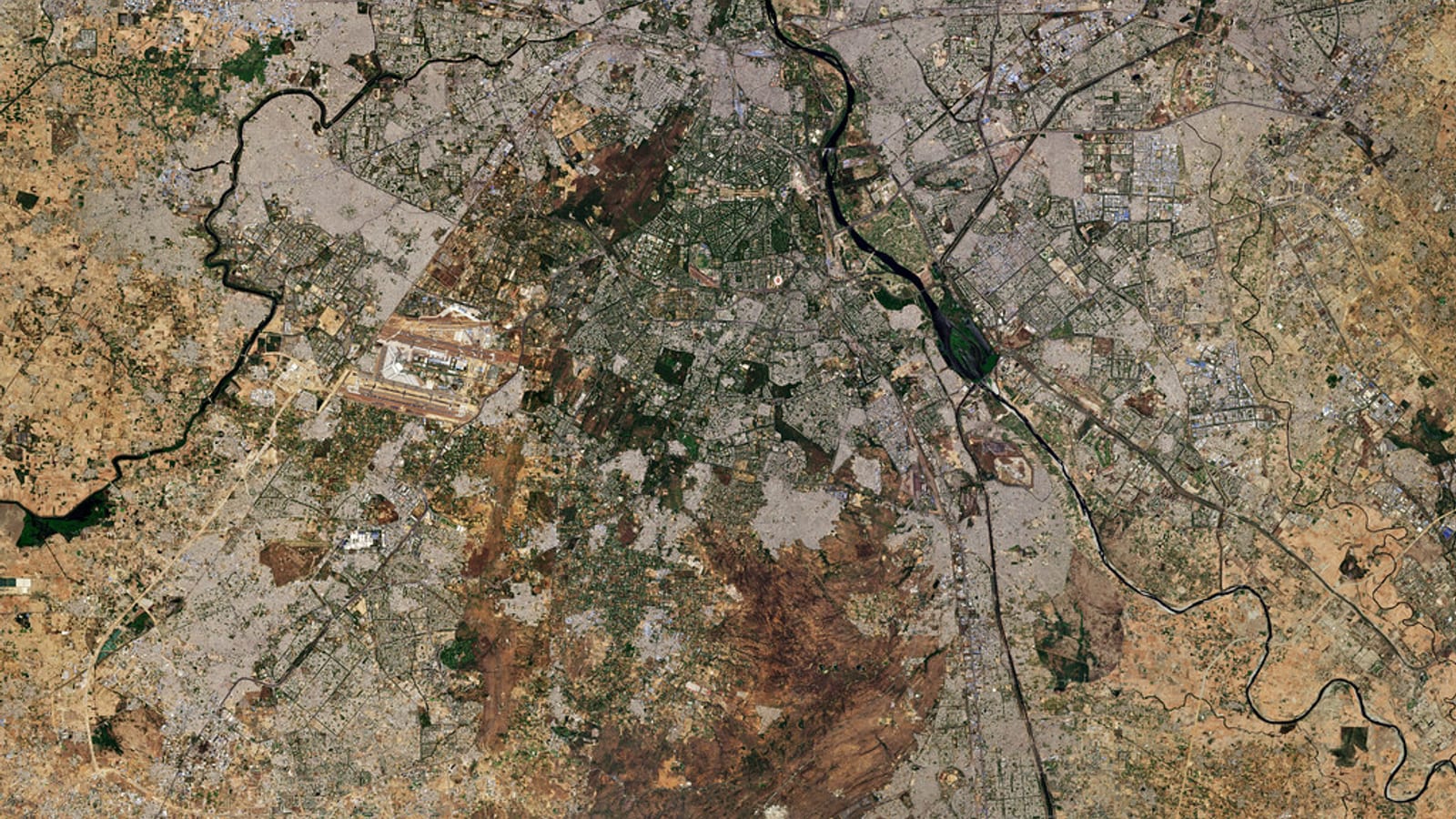
A practical GEE workflow for mapping urban heat islands using Landsat 8 LST in Delhi NCR, covering NDVI-based emissivity estimation, Band 10 brightness temperature conversion, and the full LST retrieval formula.
GNSS jamming and spoofing are growing threats to RTK and PPK surveys in India. This guide explains how interference breaks carrier-phase positioning and what field teams can do to detect and recover from it.
A technical walkthrough of drone photogrammetry workflows for legacy waste quantification in India, using the Bandhwari landfill survey as a case study — covering GCPs, GSD, and realistic volume accuracy.
A step-by-step QGIS workflow for watershed delineation using free SRTM 30 m DEM, covering sink filling, flow direction, flow accumulation, stream extraction, and pour-point snapping — with India-specific guidance on where the process commonly fails.
A practical guide to mapping soil salinity in Google Earth Engine using validated spectral indices, Sentinel-2 and Landsat datasets, and code patterns tuned for India's Indo-Gangetic Plain and coastal deltas.
A practical reference guide to Landsat 8 and 9 band combinations — natural color, false color, agriculture, and more — with Indian landscape contexts including the IGP, Punjab croplands, and Deccan scrub.
A technical comparison of Sentinel-2's built-in SCL band and the s2cloudless ML model for cloud masking, with a focus on Indian monsoon conditions where cloud cover disrupts agricultural monitoring and flood mapping.
Red edge indices like NDRE and CIre detect crop stress weeks before NDVI saturates — here is how to apply them on Sentinel-2 imagery for Indian wheat and rice fields.
SAR flood mapping with Sentinel-1 works through microwave backscatter contrast between water and land — and with India's new ISRO-Jal Shakti MOU, it is moving from research into operational policy. Here is how the technique actually works, step by step.
GRACE and GRACE-FO satellites measure tiny changes in Earth's gravitational field to track groundwater depletion from orbit — a method now central to water-resource monitoring in India and globally.
NDVI turns red and near-infrared bands into a simple measure of how green and healthy vegetation is. Here is how I compute and read it from Sentinel-2 and Landsat in my Punjab and Delhi NCT work.
A practical guide to ground control points and GNSS for accurate drone maps, drawn from my UAV photogrammetry work at IIT Roorkee using Emlid Reach RS3 and Trimble DA.
A practical guide to buffer zones and zonal statistics in QGIS for measuring environmental footprint, grounded in my Delhi NCT industrial impact work with Sentinel-2 indices.
An honest practitioner comparison of QGIS and ArcGIS Pro for GIS and remote sensing work, with cost, workflow, and practical advice for students in India.
A plain guide to NDWI and NDBI: the formulas, band pairs, and how I read them alongside NDVI to map water, moisture, and built-up land in India.
Punjab grows much of India's grain but is draining its aquifers fast. Here is how Landsat NDVI and NDWI change maps over 2000-2025, paired with groundwater data, expose the stress.
A plain, practical guide to Sentinel-2 bands, their 10/20/60 m resolutions, and which bands to use for NDVI, NDWI, and NDBI, with free Copernicus access.
A field-tested guide to UAV photogrammetry, from flight planning and ground control to processing an orthomosaic, DSM, and point cloud, drawn from my survey work at IIT Roorkee.
A practical roadmap to break into GIS and remote sensing in India: degrees, QGIS and ArcGIS, Python, Google Earth Engine, Esri and IIRS/ISRO certifications, projects, and where to find jobs.
Google Earth Engine puts decades of satellite data and planetary-scale processing in your browser. Here is what it is, why it matters, and how to start.